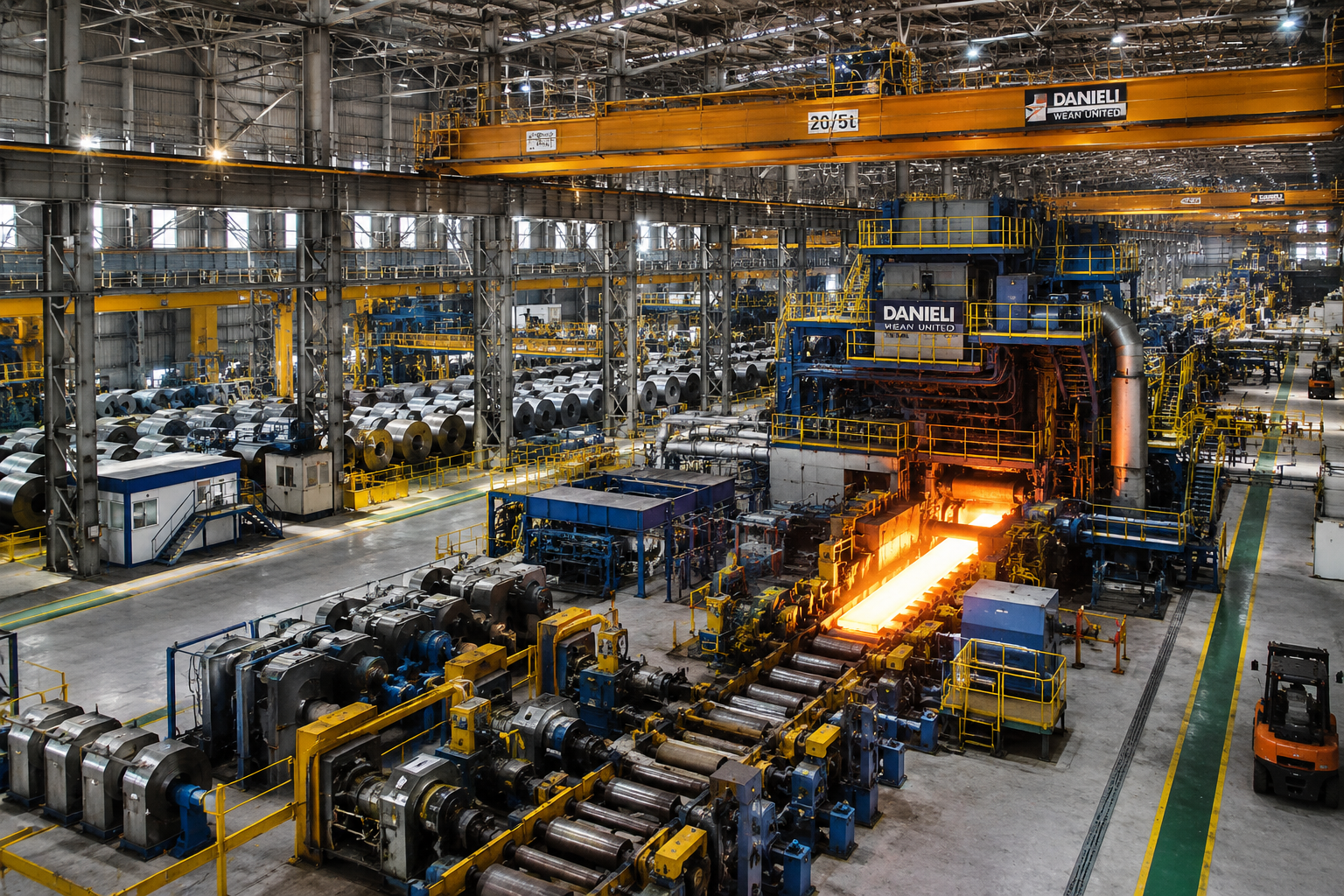
HIGH-POWER LOADS WITH LARGE FLUCTUATIONS
Arc furnaces, rolling lines, and heavy industrial systems generate strong continuous current fluctuations during production.

01
MANY POWER ELECTRONIC DEVICES
Variable frequency drives and high-power rectifiers increase the risk of power quality issues.

02
CONTINUOUS OPERATION REQUIREMENTS
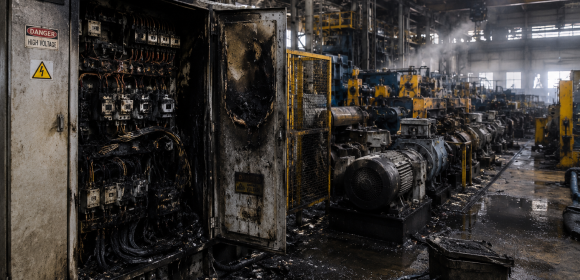
Electrical incidents can cause downtime, affecting output and operating costs.

03
COMPLEX ELECTRICAL SYSTEMS
Multiple voltage levels, loads, and electrical devices interact within the same system.

04
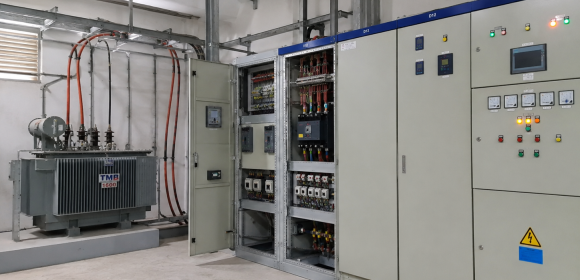

Power Quality Assessment Based on Actual Operation
01

Identifying the Root Cause of Losses and Instability
02

Proposing Solutions Suitable for Each System
03

Implementation and Post-Operation Performance Verification
04
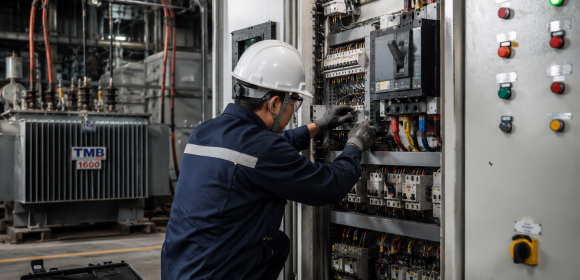
Ba Na Hills Resort | Deployment of Comsys ADF Active Harmonic Filter
PowerMore surveyed and assessed the harmonic conditions in the cable car system at Ba Na Hills and deployed the ADF – Comsys harmonic filter system. The solution helps address current and voltage distortion, while improving power factor and enhancing operational stability for the system at Station 6 – Ba Na Hills.
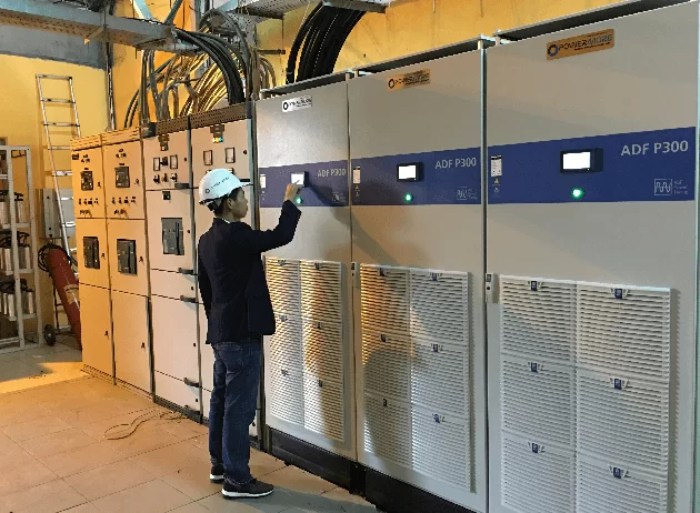
Ba Na Hills Resort | Deployment of Comsys ADF Active Harmonic Filter
PowerMore surveyed and assessed the harmonic conditions in the cable car system at Ba Na Hills and deployed the ADF – Comsys harmonic filter system. The solution helps address current and voltage distortion, while improving power factor and enhancing operational stability for the system at Station 6 – Ba Na Hills.
View more
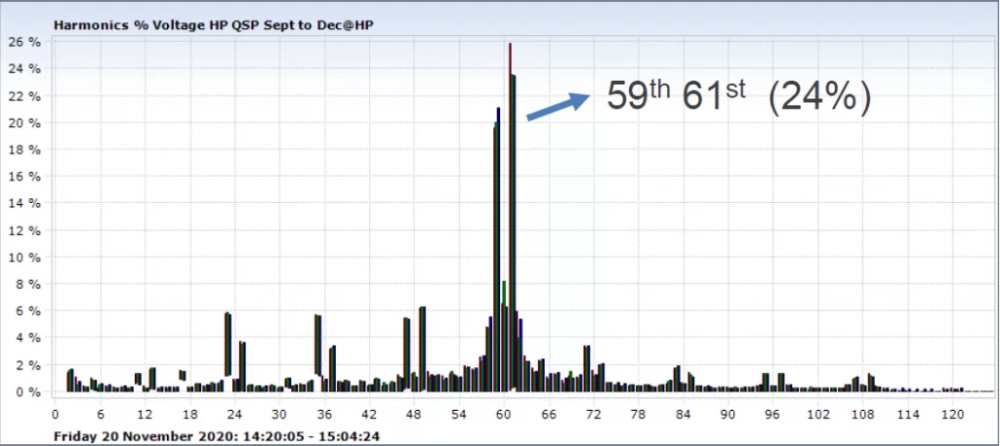
Hoa Phat Dung Quat | Deployment of 35kV Medium-Voltage Harmonic Filter System
In response to urgent requirements for power quality and operational safety, PowerMore deployed a 35kV medium-voltage harmonic filter system to eliminate harmonics directly at the source. The solution was designed with a high-pass harmonic filter configuration for the 5th, 11th, and 23rd harmonic orders.
View more
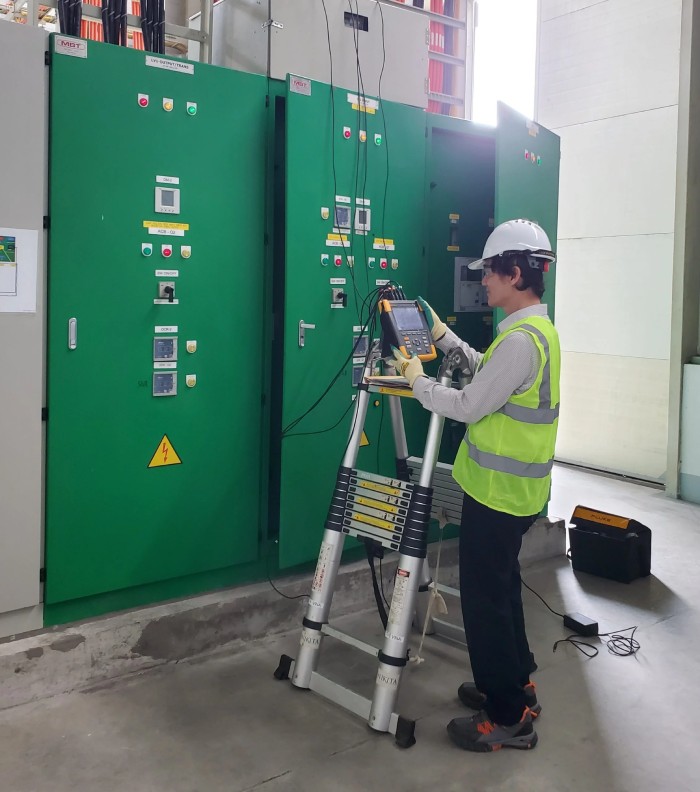
CTR Vina | Deployment of Active Harmonic Filter for Variable Frequency Drive System
With experience in the field of power quality, PowerMore deployed a hybrid harmonic mitigation solution, combining the advantages of passive filtering and active filtering. This solution helps reduce harmonics in the electrical system while supporting more stable system operation.
View more
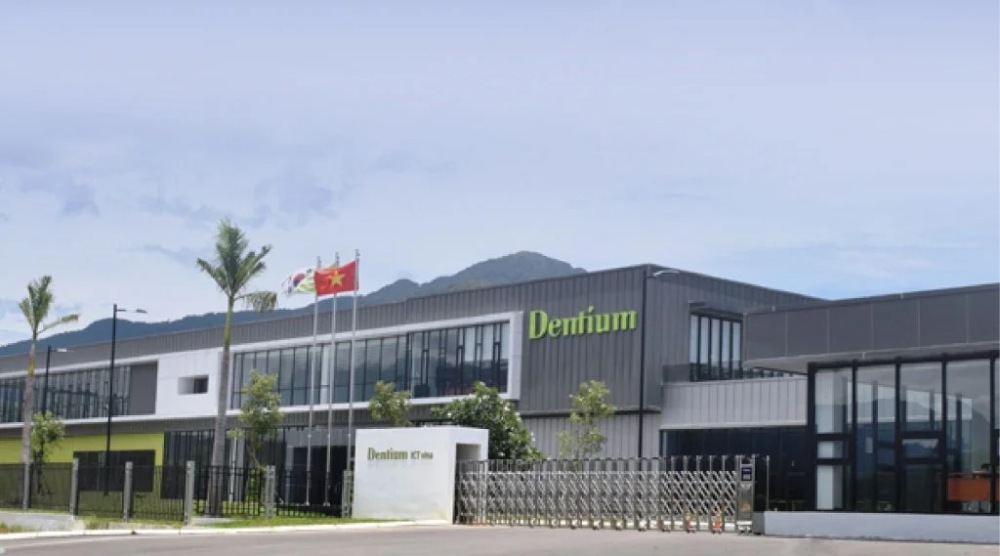
ICT Vina | Deployment of Revcon RHF Active 100A Active Harmonic Filter
Deployment of the Revcon RHF Active 100A active harmonic filter at locations where THDi was >12% due to variable frequency drives, helping reduce THDi to below 5%, in compliance with IEEE 519 and the requirements of Circular 05/2025/TT-BCT.
View more
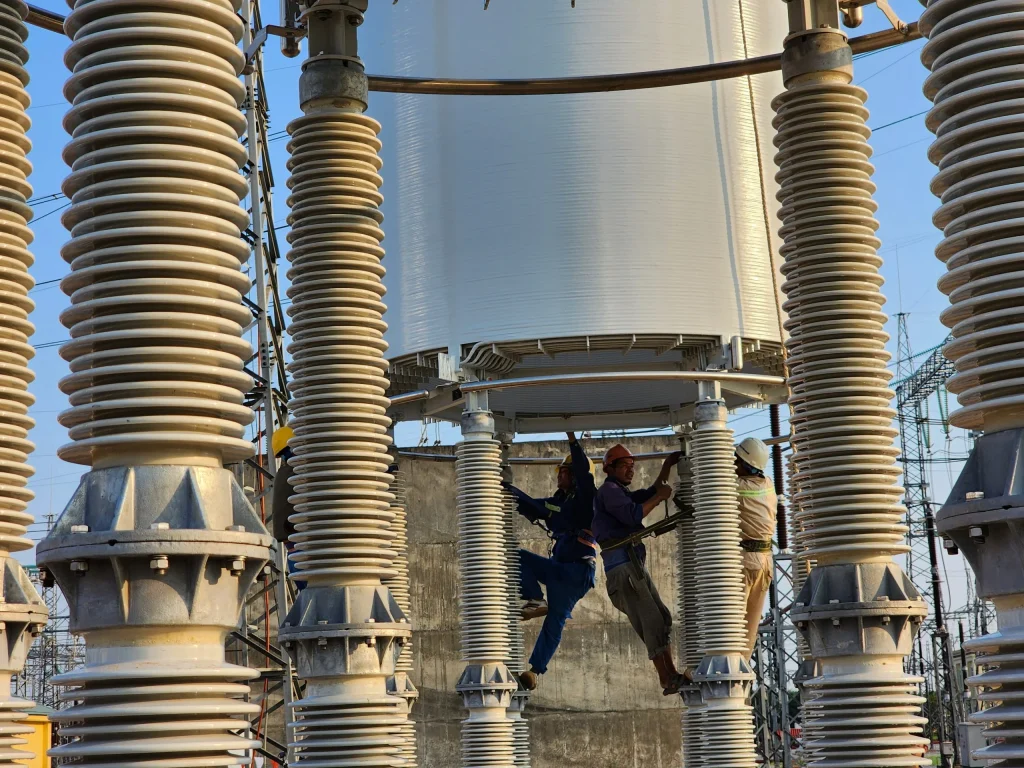
500kV Hiep Hoa Substation | Supply of 220kV Current Limiting Reactor (CLR)
PowerMore coordinated the supply of equipment and successfully provided installation guidance for current limiting reactors and TRV capacitors at the 245kV voltage level for the 500kV Hiep Hoa Substation. This scope belongs to the “Installation of Short-Circuit Current Limiting Equipment” project, aimed at enhancing safe and stable operation of the power transmission system.
View more
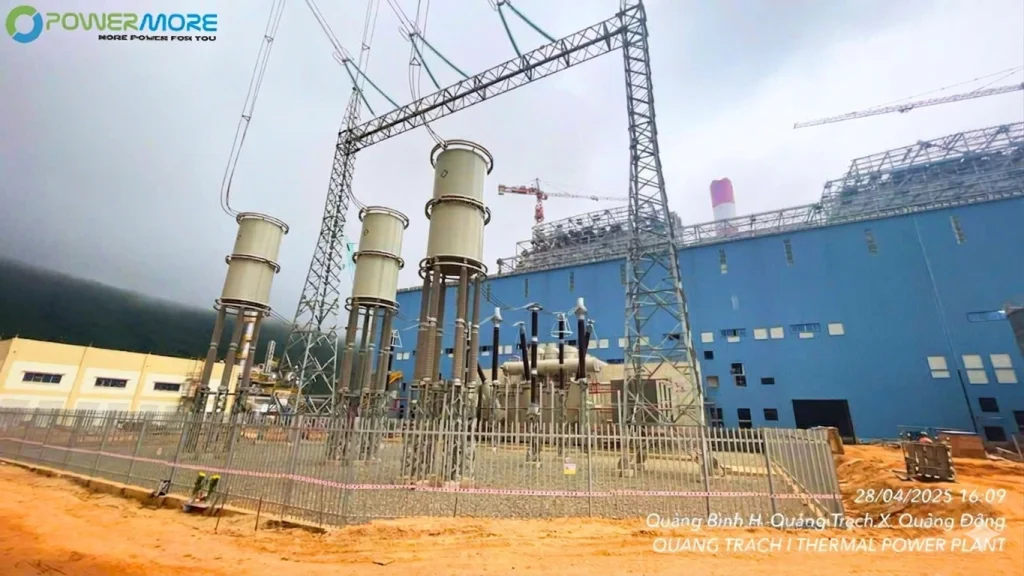
Quang Trach 1 Thermal Power Plant | Deployment of 500kV Current Limiting Reactor (CLR)
PowerMore coordinated with a European technology partner to supply, install, and integrate the 500kV CLR current limiting reactor system at the Substation of Quang Trach 1 Thermal Power Plant. The solution was deployed to limit short-circuit current in the extra-high-voltage transmission system, protect primary equipment, and enhance the safety and stability of the 500kV power grid.
View more
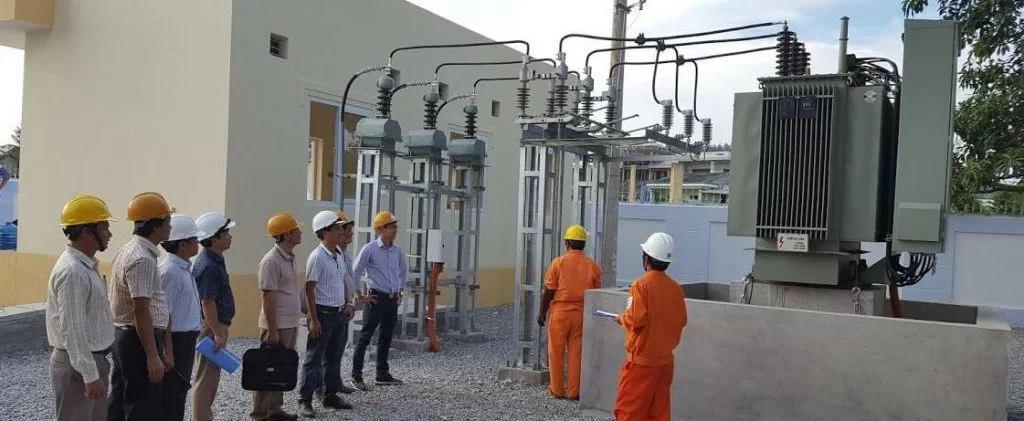
Ly Son Island District | Deployment of 22kV Variable Shunt Reactor (VSR)
On May 7, 2017, in Ly Son Island District, CPCCREB completed the acceptance and energization of the shunt reactor and 22kV switching station installation scope under the subproject “Upgrading and Renovation of the Distribution Grid in Ly Son Island District, Quang Ngai Province”. In this project, PowerMore participated as the representative of the reactor manufacturer, providing equipment and guidance for the installation and operation of the Variable Shunt Reactor (VSR).
View more
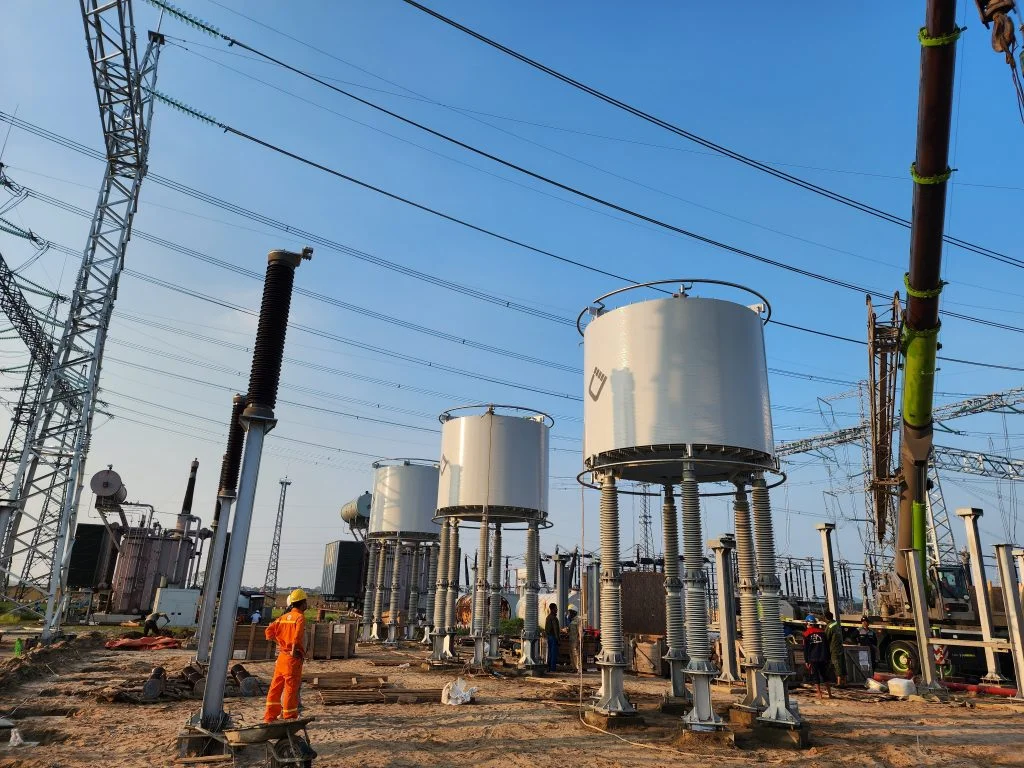
Southern Transmission Grid | Supply of Harmonic Filter Reactors for 110kV Shunt Capacitor System
PowerMore participated in the supply of harmonic filter reactors for the shunt compensation system under the “Installation of Shunt Capacitors on the Southern Transmission Grid” project. The shunt capacitor system, combined with harmonic filter reactors, helps reduce power losses, improve power quality, and enhance transmission efficiency across the regional power grid.
View more
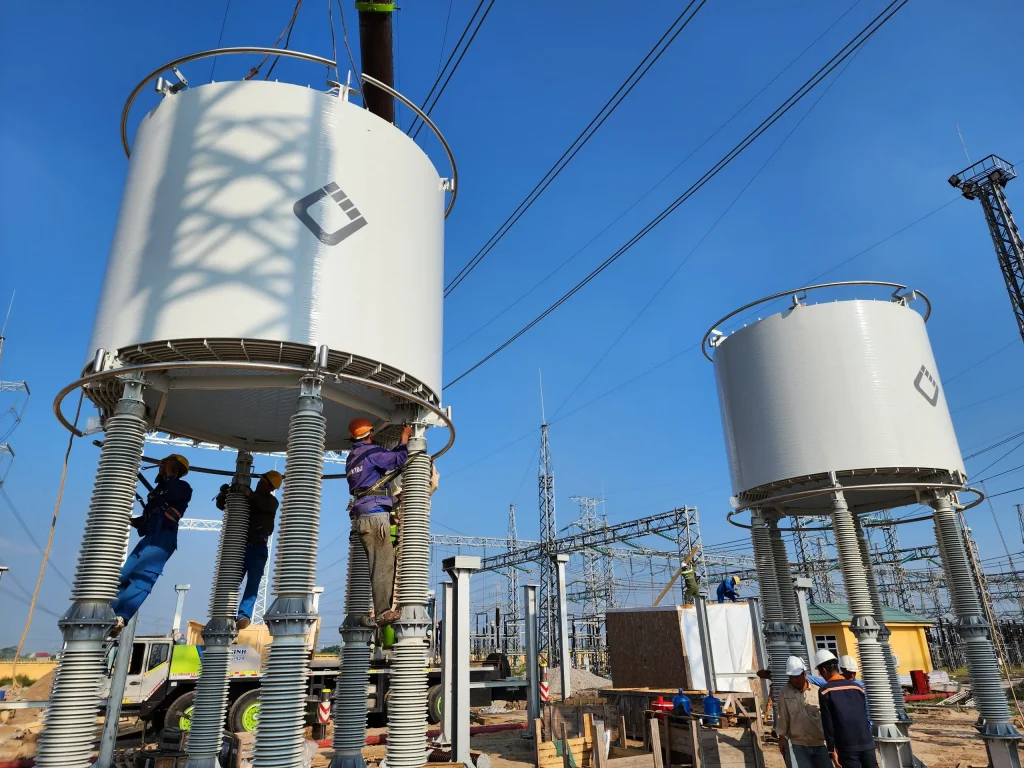
Xuan Thien Ea Sup | Supply of 110kV Neutral Earthing Reactor for 500kV Substation
PowerMore supplied a 110kV neutral earthing reactor for the 500kV Substation of Xuan Thien Ea Sup Solar Power Plant in Ea Sup District, Dak Lak Province. The equipment was put into service for the plant’s substation system, contributing to safe and stable operation after the substation was successfully connected and energized.
View more
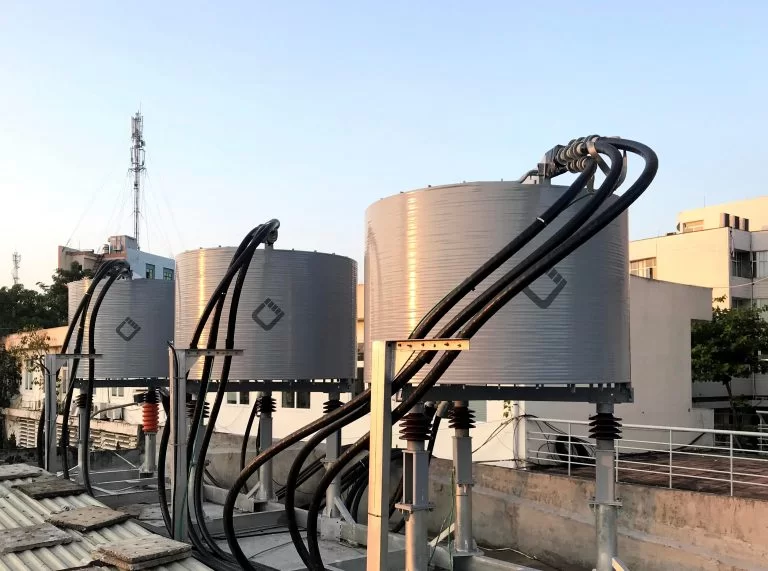
110kV Lien Tri & An Don Substations | Deployment of 22kV Short-Circuit Current Limiting Reactor (CLR)
In January 2020, Da Nang Power Company Limited coordinated with PowerMore to successfully energize 22kV short-circuit current limiting reactors for the 110kV Lien Tri Substation and the 110kV An Don Substation in Da Nang City. The reactors help reduce short-circuit current on the 22kV feeders to the allowable limits of the reclosers and other equipment on the feeders, thereby improving the operational reliability of the entire system.
View more
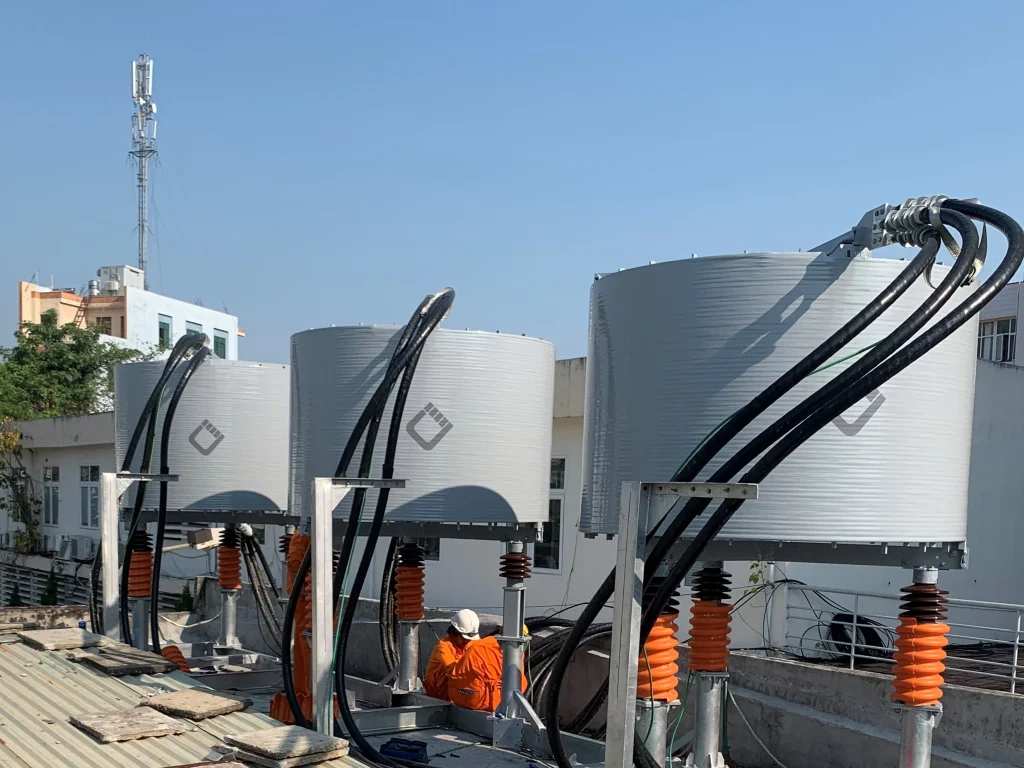
500kV Nghi Son Substation | Supply of Medium-Voltage Short-Circuit Current Limiting Reactor
PowerMore completed the supply and installation of medium-voltage short-circuit current limiting reactors for the 500kV Nghi Son Substation. This scope was implemented to serve the substation’s electrical system, contributing to safe and stable operation.
View more
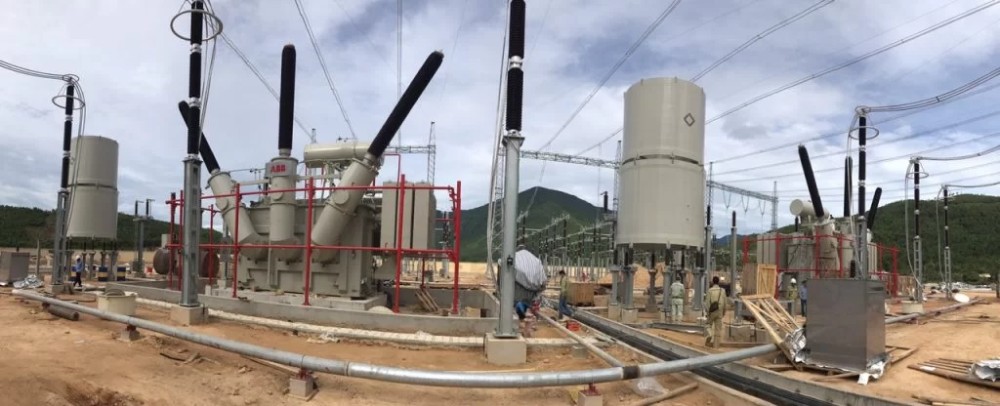
500kV Quang Trach Substation | Supply of 110kV Neutral Earthing Reactor (NER)
PowerMore successfully supplied and installed a 110kV neutral earthing reactor for the 500kV Quang Trach Substation. The equipment was deployed to serve the substation’s electrical system, contributing to safe and stable operation.
View more
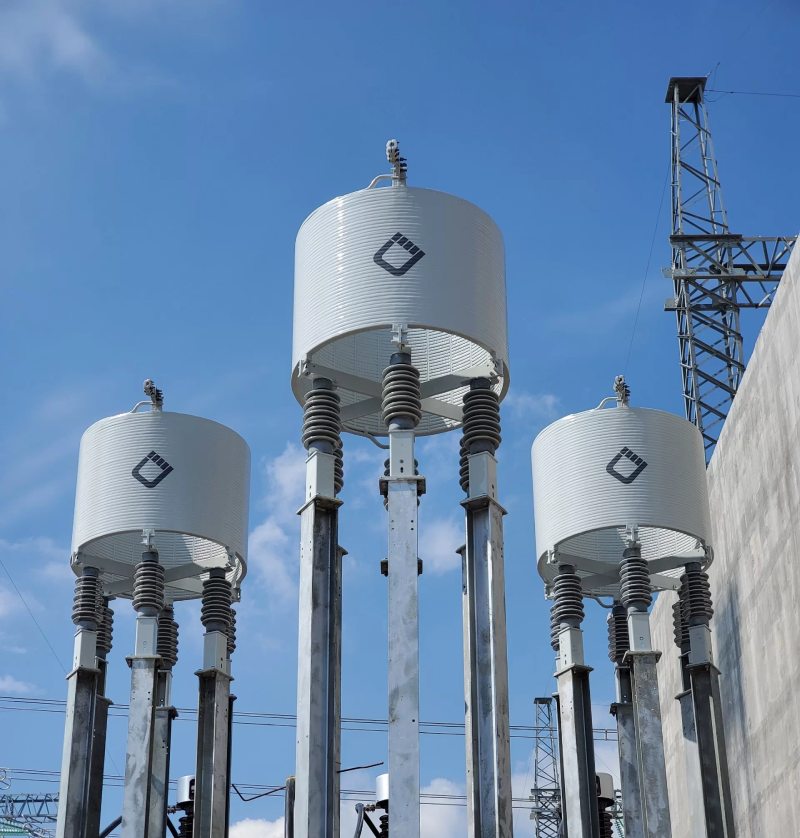
500kV Van Phong Substation | Deployment of 35kV Current Limiting Reactor (CLR)
PowerMore successfully supplied and installed a 35kV current limiting reactor for the 500kV Van Phong Substation. The project was successfully energized in November 2022, contributing to the safe operation of the substation’s electrical system.
View more
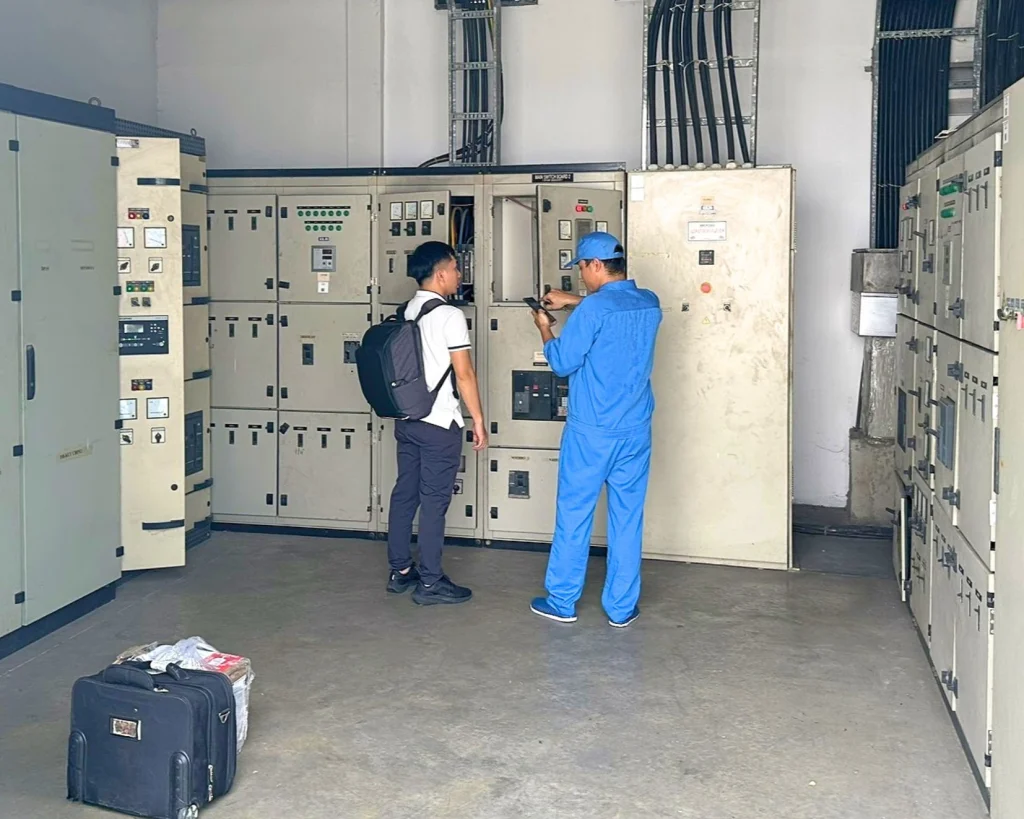
Vinamilk | Deployment of 12 Active Harmonic Filters (AHF) with a Total Capacity of 1,800A
The project also demonstrates that harmonic control is not merely a standalone technical requirement, but part of a sustainable operation strategy in the F&B industry. For factories with high operating intensity, large nonlinear loads, and strict requirements for operational continuity, power quality is a fundamental condition for maintaining production efficiency.
View more